SEO and UX Are the Same Conversation
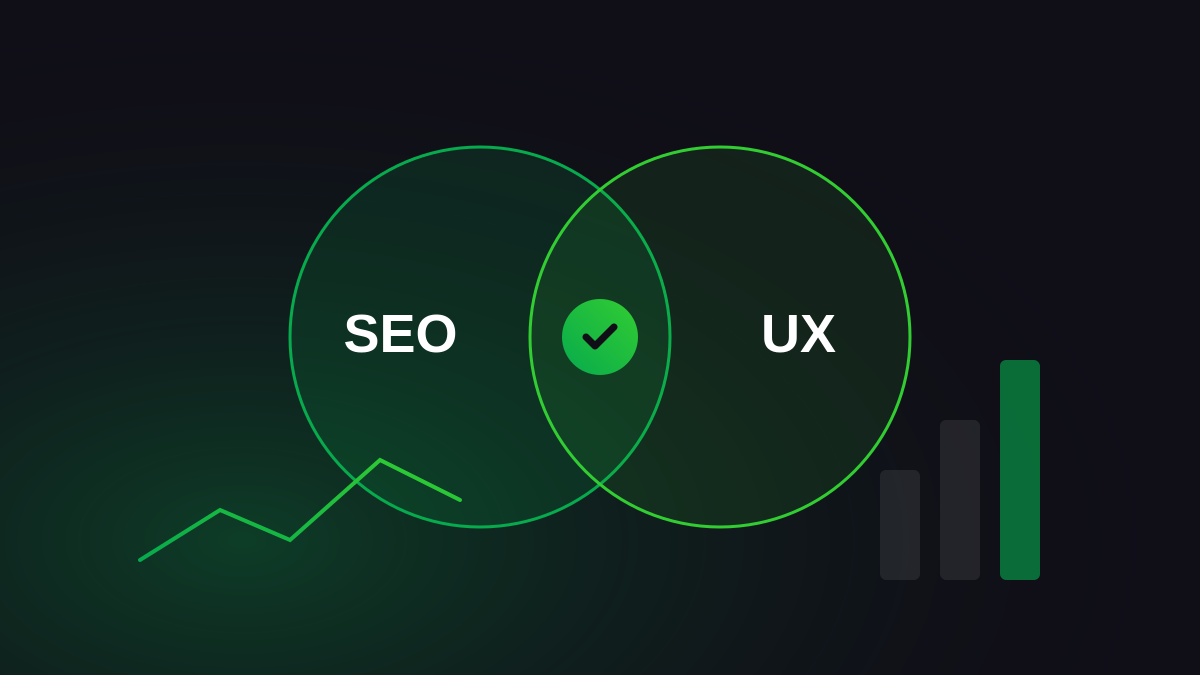
For years SEO and UX lived in different meetings. SEO was about keywords and links; UX was about layouts and flows. Working across both disciplines, I see them converging on one question: does this page give people what they came for, quickly?
Design for search intent
Every query carries an intent - to learn, to compare or to act. A page that matches the intent keeps people engaged; one that does not sends them straight back to the results. I map each key page to a primary intent and design the first screen around answering it.
Speed is user experience
Core Web Vitals turned performance into a ranking signal, but users were voting with the back button long before that. Practical wins I reach for first:
- Correctly sized, modern-format images with lazy loading below the fold
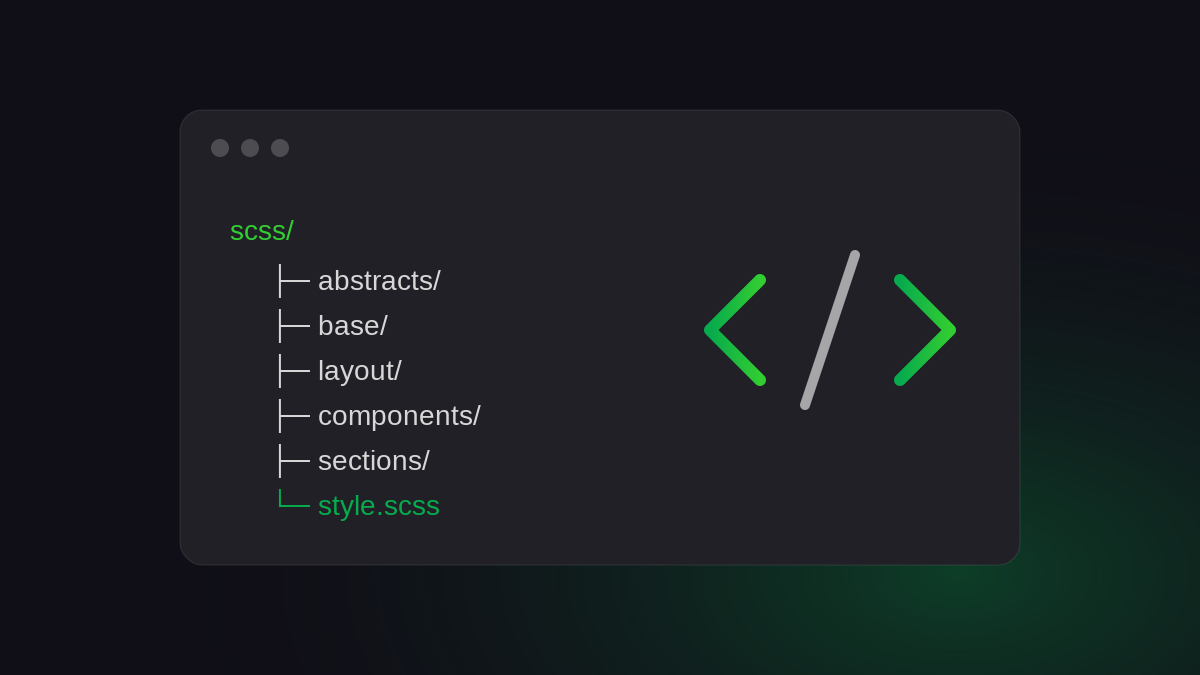
- One compiled, minified stylesheet instead of many small files
- Deferring non-critical scripts and third-party tags
- Checking Lighthouse on real mobile settings, not just desktop
Clear structure helps people and crawlers
A logical heading hierarchy, descriptive link text and scannable sections make a page easier to read and easier to index. When content is structured well for a human skimming on a phone, it is usually structured well for search engines too.
If a page is hard for a person to scan, it is rarely easy for a search engine to understand.
Measure them together
I review organic landing pages alongside their engagement metrics in Google Analytics. A page with strong rankings but weak engagement is a UX problem; a page users love that nobody finds is an SEO problem. Looking at both in one report makes the next fix obvious.